
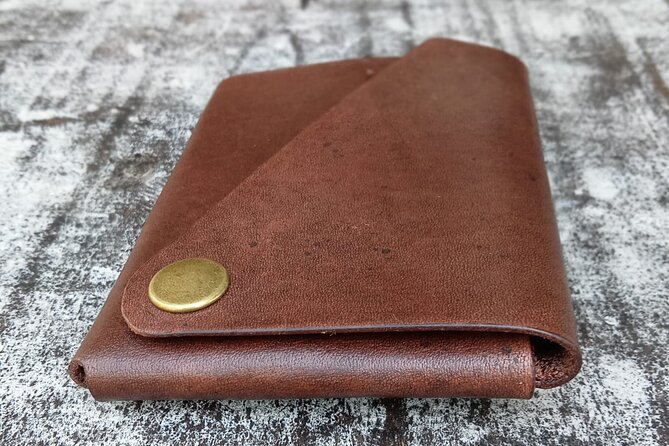
Reviewed · CANGGU DAY TOURS FROM SEMINYAK
Bali Leather Craft Workshop – 6 hours ( canggu / seminyak)
Creating a leather item from raw pieces gives this Bali activity real staying power. You cut the pattern, choose the color and thread, stitch by hand, polish the edges, and leave with something useful. I especially like the quiet studio among rice fields and the patient, personal teaching from Abenk and Opik.
I also like the freedom to make different items, from a card wallet to a purse or knife sheath, rather than following one fixed souvenir project. The main drawback is the six-hour session in Bali’s heat, and lunch is not clearly built into the experience, so plan ahead.
Key points
- Six hours of hands-on work: You take an item from pattern cutting to final hardware.
- Personal instruction: Abenk and Opik guide beginners patiently and adjust help to your skill level.
- Choice of finished item: You may make a wallet, purse, belt, jewelry, bag, or another small leather piece.
- Customization matters: Pick leather texture, dye color, thread, and finishing details.
- Peaceful setting: The workshop sits near rice fields in the Kerobokan area, away from Seminyak’s busy streets.
- Bring a lunch plan: One account notes the heat and need to arrange food, though a nearby warung may be available.
Six hours of making, not just watching
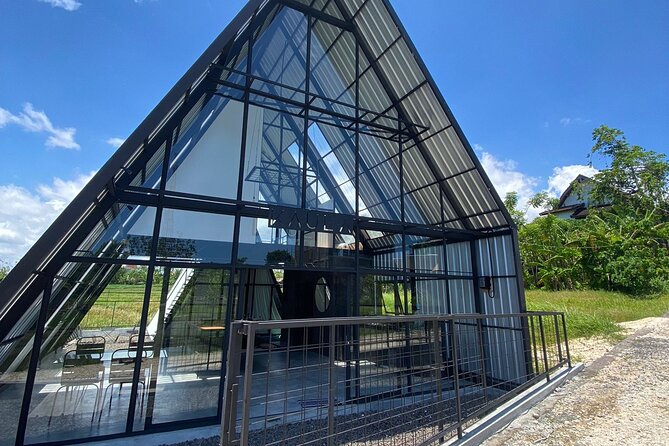
This is a proper craft session, not a short tourist demonstration. From the 10:00 am start at Kaula Bali Leather Workshop, you work through the full process of making a leather object with guidance close at hand.
That matters because leatherwork can look simple until you try to cut a clean curve, line up holes, or pull thread through several layers. The workshop gives you time to understand those small decisions. You are not simply decorating a ready-made item and calling it your own.
The pace is also part of the appeal. Six hours sounds long if you want a quick activity between beach stops, but it makes sense for a handmade product. Cutting, coloring, stitching, edge work, and hardware all take time. You get room to correct mistakes rather than rush toward an artificial finish.
The activity is private, so only your group takes part. That should make it easier to ask questions, pause when you need help, and choose a project that suits your interest.
More around Canggu:
- Canggu: Drag Show with Dinner
★ 5.0 · 414 reviews - Canggu: Surfing lesson with ISA certified instructor
★ 5.0 · 102 reviews - The funniest private 2 hour surf lesson, Canggu
★ 5.0 · 70 reviews
Arriving at Kaula Bali near Seminyak
The meeting point is Kaula Bali Leather Workshop on Gg. Yogya in Kerobokan Kaja, north of the main Seminyak area. The experience begins and ends at this same location, and it is near public transportation.
Do allow extra attention when finding the entrance. Clear signage has been an issue, with the workshop not immediately obvious from the main street. Save the exact address before setting out and keep your phone ready for navigation. This is a small practical point, but it can prevent a frustrating start to a relaxed day.
The setting is one of the workshop’s strongest features. Instead of working in a crowded retail space, you spend the day in a quieter studio near Bali’s rice fields. The surroundings give you a calm place to concentrate, though they do not remove the tropical heat. Light clothing and water are sensible choices.
The studio itself is described as well equipped and attractive. You should expect a working craft space rather than a polished showroom. That is the right atmosphere for an activity centered on tools, leather, thread, dyes, and patient handwork.
Choosing your leather project
Early in the day, you decide what you want to make. The available examples include wallets, card wallets, purses, bags, belts, jewelry, and knife sheaths. The exact project may depend on the materials and time available, so it is worth discussing your choice with the instructor before cutting begins.
This choice gives the workshop a personal edge. A card wallet is a manageable project and a good fit if you want to learn the basics without taking home something bulky. A purse or small bag requires more work, but it can feel like a stronger memento of the day.
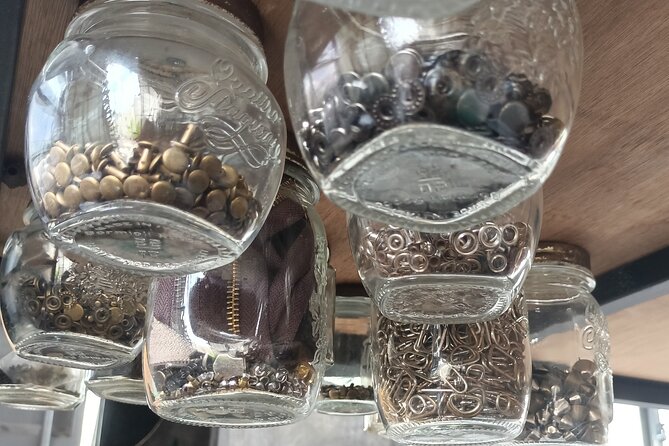
You can also personalize the look. Options mentioned during the activity include leather texture, dye color, thread color, snaps, buttons, and other accessories. The result does not have to look like a standard souvenir. You make decisions that reflect your own taste.
That said, customization is not the same as unlimited design freedom. The instructors still need to keep the project within the six-hour session and within the available materials. If you arrive with a very specific design in mind, ask what is practical before the first cut.
Cutting the pattern to the right shape
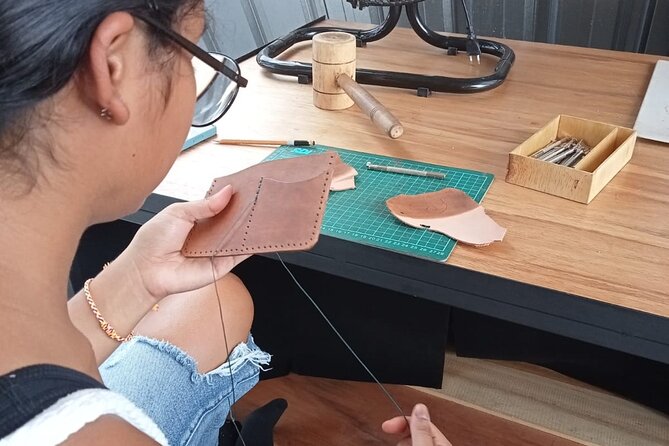
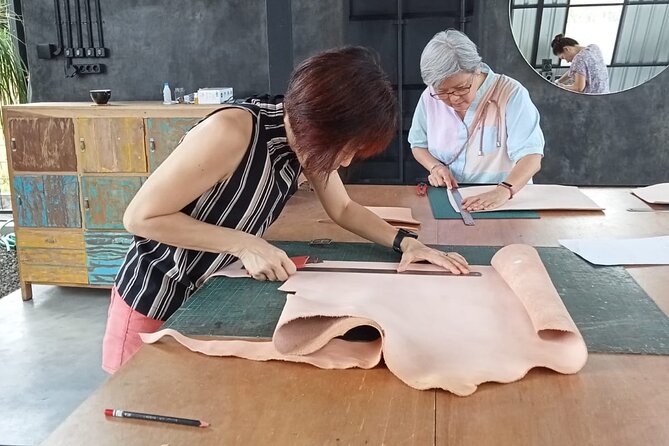
The first technical stage is cutting the leather pattern. This is where the finished size and shape begin, so accuracy counts. A small error can affect how pieces line up later, especially on a wallet or bag.
You receive guidance on the pattern and cutting process rather than being left to guess. Beginners should find this reassuring. Leather is less forgiving than paper, and you cannot simply erase an unwanted cut.
I like this part because it shows the difference between a handmade object and an off-the-shelf purchase. The shape comes from your decisions and your hands. Even a simple card wallet carries evidence of the work that went into it.
The workshop is suitable for most participants, including people with no prior leather experience. Still, you should be ready to focus. Cutting requires care, and the day rewards patience more than speed.
A handful of other Bali options worth putting side by side
- Balinese Cooking Class in Seminyak
★ 5.0 · 281 reviews - Nia Bali Seminyak Cooking Class
★ 5.0 · 127 reviews - Cooking class in the comfort of your own personal villa. Yes, I’ll come to you!
★ 5.0 · 80 reviews - Kuta Seminyak Scooter Lessons
★ 5.0 · 40 reviews
Adding color with dyes and finishes
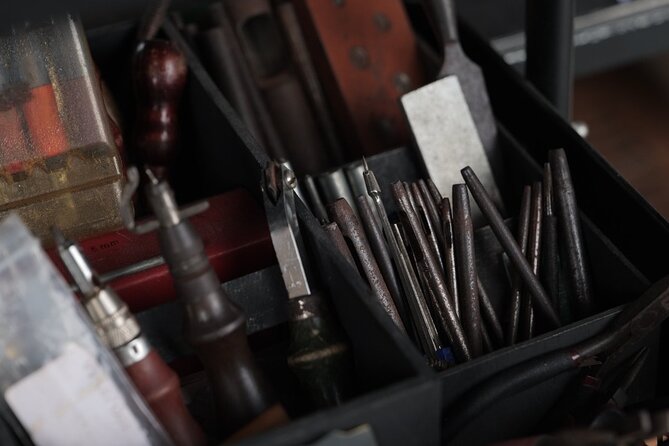
Once the pieces are cut, you add color to the leather. You choose from available dyes and finishes to create the look you want. This stage can change the whole character of the item, from understated and natural to more colorful and clearly customized.
The dyeing process also gives you a chance to understand how leather responds to treatment. Color may not appear exactly as expected at first, and an even finish takes care. The instructor’s role is important here, especially if you are trying the technique for the first time.
If you enjoy making visual choices, this may be one of the most satisfying sections of the day. You are not only assembling a product. You are deciding how it should look and feel in daily use.
Keep in mind that the finished shade can depend on the leather and the chosen finish. The workshop provides guidance, but handmade color work may have small variations. I see that as part of the charm, though anyone seeking factory-perfect uniformity may prefer a shop-bought item.
Preparing and stitching the leather by hand
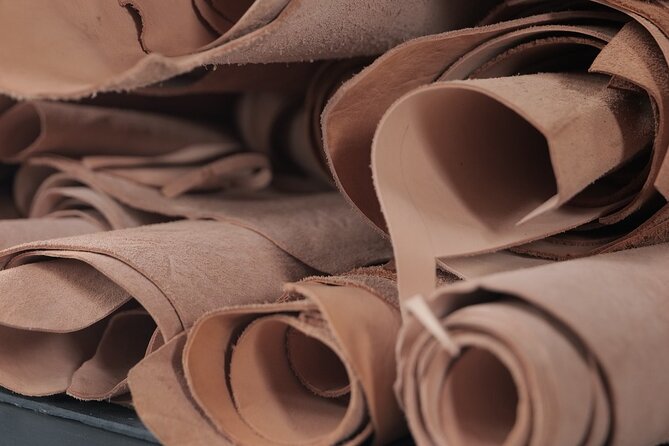
Before stitching, the leather needs preparation so the pieces line up and the sewing can proceed cleanly. You then use needle and thread to join the pieces by hand.
This is often the longest and most focused portion of the workshop. Hand stitching is slower than machine sewing, but it gives you a direct connection to the construction. You can see how the thread holds the object together and how neat spacing affects the final appearance.
The instructors, including Abenk and Opik, are known for patient demonstrations and encouragement. That is useful for first-time makers, and it also helps more experienced participants work at a comfortable level. You are not expected to arrive with professional skills.
Stitching can test your patience, particularly in Bali’s heat. Build in short pauses, drink water, and accept that the first few stitches may not look perfect. The goal is a durable, personal object, not a race.
The finished piece can be surprisingly useful. A card wallet, purse, bag, belt, or jewelry item is easier to appreciate after you understand how many individual steps hold it together.
Smoothing the edges and adding the finish
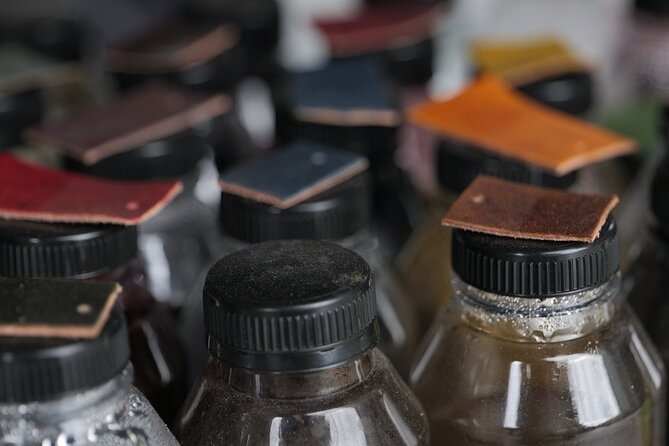
After the pieces are sewn, you work on the edges. Polishing helps create a smoother feel and a cleaner appearance, especially on items that will be handled often.
The workshop also includes applying a high-quality varnish for a more finished surface. This is one of those steps that can make a handmade item look far more complete. It protects the appearance and gives the object a smoother final touch.
You then add practical details such as snaps, buttons, or other accessories. These small parts can change how the item works as well as how it looks. A purse needs its closure to feel secure, while a wallet benefits from clean edges and well-placed fastening.
The final stage is satisfying because the project changes from a collection of leather pieces into a usable object. You get to inspect the result and make the last personal choices before taking it home.
The instructors and the private format
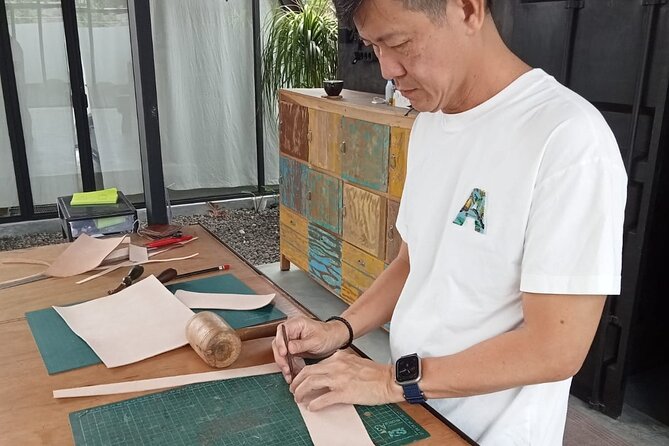
Abenk and Opik are the main names associated with the workshop. Their teaching style is calm, friendly, and patient, with demonstrations suited to your skill level.
That approach makes a difference in a craft class. You may need the same step explained twice, especially when working with patterns, thread tension, or edge finishing. A private group gives you more space to ask without feeling you are holding up a large class.
The private format also works well for pairs. Friends can make different items side by side, and parents with teenage children can share the task without needing the same pace or design. The activity has been enjoyed by a parent and teenage son, which suggests it can work across age groups when everyone is willing to concentrate.
It is less suited to someone who wants a loose, drop-in activity. You spend much of the day seated and focused on detailed handwork. If your ideal Bali outing involves constant movement, swimming, or sightseeing, six hours at a workbench may feel demanding.
What the $46 price represents
At about $46, the workshop offers more than a standard souvenir-buying stop. You receive six hours of instruction, access to materials and tools, and a finished handmade item to take home.
The value depends partly on what you make. A small card wallet may not seem expensive compared with the activity price alone, but the fee also covers the teaching and the chance to learn a skill. A purse or bag can make the price feel stronger, especially when you consider the time involved in making it.
You also avoid the uncertainty of trying to learn every step alone. Cutting patterns, dyeing, stitching, edge polishing, and adding hardware are easier with someone showing you the correct method.
The price does not appear to include a formal lunch. One account advises bringing your own food, while another describes a nearby warung visit arranged during the day. Treat lunch as something to confirm or plan rather than a guaranteed part of the package.
Heat, lunch, and practical comfort
The main comfort issue is Bali’s heat. The workshop setting is peaceful, but a quiet studio is not necessarily cool. You should arrive prepared with water, light clothing, and a willingness to take short breaks.
Plan your meal before the 10:00 am start. If you bring lunch, you remove one uncertainty. A nearby warung may also be an option, but do not assume a full meal is automatically included.
The activity ends back at the starting point after about six hours. Since the workshop is near public transportation, you can organize your own onward plans, but the address and possible signage issue make it wise to allow time for arrival.
Confirmation is provided at booking. Free cancellation is available when you cancel at least 24 hours before the local start time. Cancellations or changes made later do not qualify for a refund.
Who will enjoy this workshop most
I would choose this for you if you like practical activities, handmade goods, and souvenirs with a story behind them. It suits couples, friends, families with older children, and solo visitors who enjoy learning a careful craft.
It is also a good break from Bali’s usual beach, food, and temple schedule. The rice-field setting and quiet pace offer a change of mood, but the experience remains active because you are working throughout the day.
You should think twice if you dislike detailed handwork, have limited time in Seminyak, or want a cool indoor activity with a short duration. Six hours is a serious commitment, and the tropical heat can make the stitching and finishing stages feel longer.
Should you book the Kaula Bali workshop?
Book it if you want to bring home something you made yourself rather than another mass-produced souvenir. The patient instruction, private format, customizable materials, and peaceful setting give the day a clear purpose.
Choose a smaller project, such as a card wallet, if you want a manageable first attempt. Pick a purse or bag if you are happy to spend the full six hours on a more involved piece. Bring water, arrange lunch, and save the workshop address carefully because the signage may be easy to miss.
For a hands-on Bali experience with a useful result, the $46 price is fair. You are paying for time, guidance, materials, and the satisfaction of learning each step from cut leather to finished object.
FAQ
Where does the leather craft workshop take place?
It takes place at Kaula Bali Leather Workshop, Gg. Yogya, Kerobokan Kaja, Kuta Utara, Badung, Bali 80361, Indonesia.
What time does the workshop start?
The workshop starts at 10:00 am.
How long does the activity last?
The activity lasts approximately six hours.
Where does the workshop finish?
It finishes back at the same meeting point where it begins.
What can I make during the workshop?
You may make a small leather item such as a wallet, purse, belt, jewelry piece, bag, card wallet, or knife sheath.
Can I customize the item?
Yes. Customization can include the leather texture, dye color, thread color, snaps, buttons, and other accessories, depending on the available materials and project.
Is the workshop private?
Yes. Only your group participates in the activity.
Can I cancel for a full refund?
Yes, if you cancel at least 24 hours before the local start time. Cancellations or changes made less than 24 hours before the start are not accepted for a refund.
Newest Bali write-ups
- Best of North Bali: Banyumala Waterfall, Handara Gate and Temple★ 5.0 · 4 reviews
- Surf lesson | Energy surfschool krui★ 5.0 · 3 reviews
- West Nusa Penida Island Snorkeling Tour – From Bali Island★ 4.0 · 5 reviews
- Sharing Mount Batur Sunrise Trekking And Natural Hot Spring★ 5.0 · 11 reviews
- Bali Parasailing Adventure, Jet Ski, Banana Boat , Donat Boat, with Transport★ 5.0 · 11 reviews
- Uluwatu tour & Balinese kecak dance★ 5.0 · 3 reviews
- Bali’s Spiritual Pillars – Uluwatu Temple and Kecak Dance Tour★ 5.0 · 6 reviews
- Uluwatu Temple & Kecak Fire Dance Show (Include All Tickets)★ 4.5 · 5 reviews
Canggu Day Tours from Seminyak, compared.




Zero Gravity Flotation Therapy in Canggu Bali by Solace Float
Read our review →
Canggu Silver Jewelry Making Class: Create Unique Silver Jewelry
Read our review →


Browse the lists this tour appears in