
Reviewed · BALINESE COOKING CLASSES
Nia Bali Seminyak Cooking Class
The big draw here is the sheer amount of food you prepare. Instead of stopping after three or four recipes, you work through up to 12 Balinese dishes, from spice pastes and satay to nasi goreng and sweet corn coconut snack. You finish with a full meal made by your own hands.
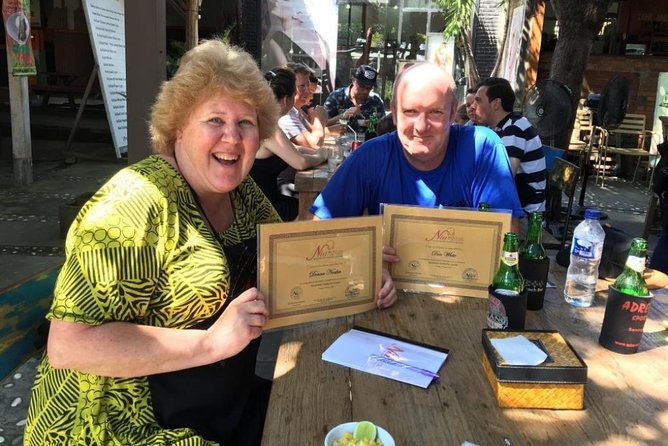
I like the morning market visit, which gives the cooking a useful local setting, and I like the practical take-home value: a cookbook and completion certificate come with the class. The main caution is scale. Although the activity is described as private for your group, some sessions can feel large, so this is not the best pick if you want a quiet, one-on-one lesson.
Key points
- Twelve dishes in one morning: You prepare sauces, pastes, salads, rice, satay, meat, seafood, and sweets.
- Market first, kitchen second: The opening visit introduces the spices, produce, meat, fish, and fruit used in Balinese cooking.
- Strong instructors: Tommy Ford and Tommee Ford are praised for humor, clear teaching, and cultural background.
- Lunch is the reward: You eat the food prepared during class, rather than carrying home a few small samples.
- Dietary needs can be discussed: The class has adapted dishes for a pescatarian participant, but you must report allergies in advance.
- Useful Seminyak location: The class begins at Warung Nia on Jalan Kayu Aya and ends there, with morning pickup offered in Seminyak.
A full Balinese menu, not just a quick cooking demo
Nia Bali Seminyak Cooking Class is built around a banquet-sized menu. The stated program includes up to 12 dishes, although the exact amount of hands-on work for each person can vary when the class is busy.
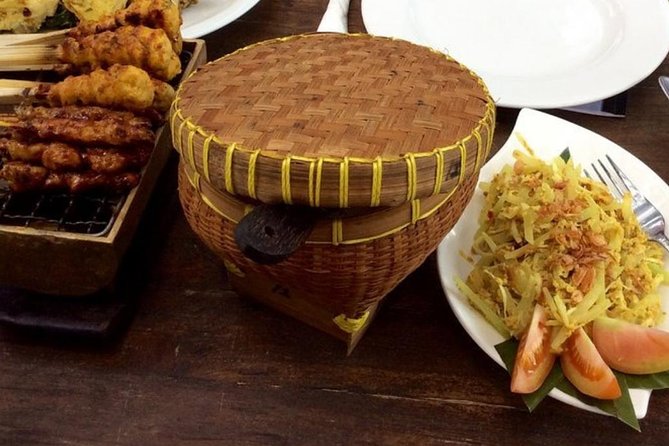
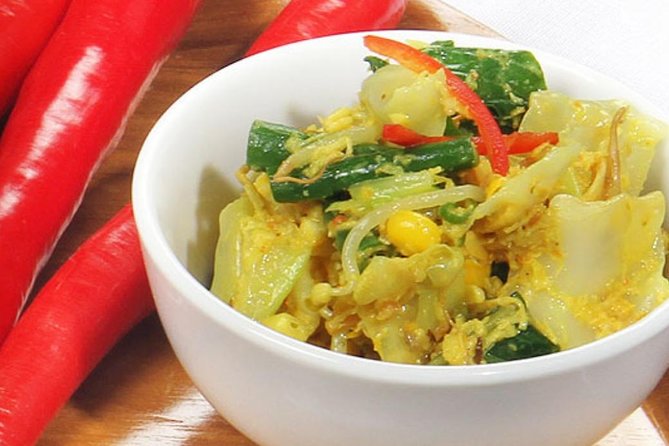
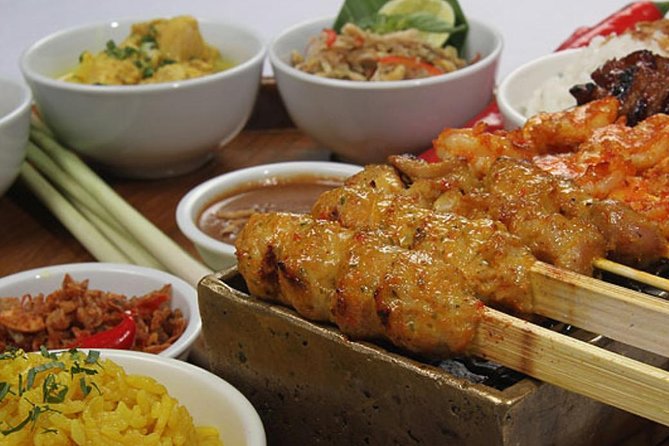
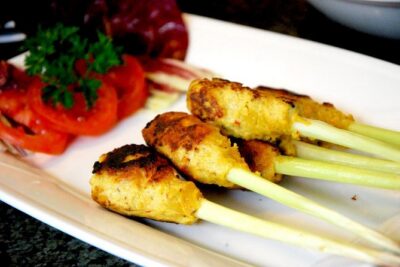
You may prepare the orange seafood spice paste called base be pasih, the yellow chicken paste called base be siap, and several dishes that use them. The menu also includes Balinese roast chicken in banana leaf, pork in sweet soy sauce, chicken satay, peanut sauce, minced seafood satay, minced chicken in banana leaf, green papaya salad with chicken, vegetable salad with peanut sauce, sweet corn coconut snack, and chicken nasi goreng.
That list matters because it shows the class is not limited to one theme. You learn how Balinese food gets its flavor from several parts working together: spice pastes, grilled or wrapped items, salads, rice, sauces, and a sweet finish.
I would not expect to cook every dish entirely by yourself. In a class covering this much food in four and a half hours, the instructor has to divide tasks among the group. Still, you should get repeated chances to chop, mix, season, wrap, grill, and taste.
More Balinese cooking classes:
- Balinese Cooking Class in Seminyak
★ 5.0 · 281 reviews - Cooking class in the comfort of your own personal villa. Yes, I’ll come to you!
★ 5.0 · 80 reviews - Balinese Cooking Class & Tanah Lot Temple Visit – Private & All-Inclusive
★ 5.0 · 24 reviews
The 8 a.m. start in Seminyak
The morning begins at 8 a.m. The meeting point is Warung Nia Balinese Food & Pork Ribs, at Jalan Kayu Aya No. 19-21 in Seminyak. Pickup is offered in the Seminyak area, but it is a pickup-only service. There is no drop-off at the end.
That makes the class easy to fit into a Seminyak stay, especially if you are already nearby. If you are staying elsewhere in Bali, you should plan your own way to the meeting point or confirm the pickup area before booking. The activity ends back at the starting point, so you can continue with lunch plans, shopping, or an afternoon at the beach.
The early hour is useful for the market visit. Produce and fresh ingredients are central to the class, and a morning start gives you a better chance to see the market as part of daily life rather than as a staged stop for visitors.
Bring an appetite. Lunch is included, and the meal comes after you have spent the morning preparing it. That is one reason the class feels like a complete half-day activity instead of a short demonstration.
Stop one: choosing ingredients at a traditional market
The first stop is a morning market, described as a traditional market visit. You see the kinds of ingredients used in Balinese kitchens, including meat, fish, poultry, tropical fruit, and exotic spices.
The market portion is brief in the overall schedule, but it gives the recipes a useful setting. A spice paste can look like a list of ingredients on a printed recipe card. Seeing the fresh chilies, herbs, roots, fish, and other items at the market helps explain what those names mean in practice.
This is also where the class connects food with place. You are not simply learning a generic version of fried rice or satay. You are seeing the raw materials used for Balinese dishes before turning them into lunch.
The practical limit is that the market visit is not a full market tour with unlimited shopping time. The stated itinerary lists Seminyak Square and the cooking class, while the included services describe a morning traditional market visit. Exact market arrangements can depend on the day. I would treat this as an ingredient introduction, not a long guided shopping excursion.
Stop two: from spice pastes to banana leaf dishes
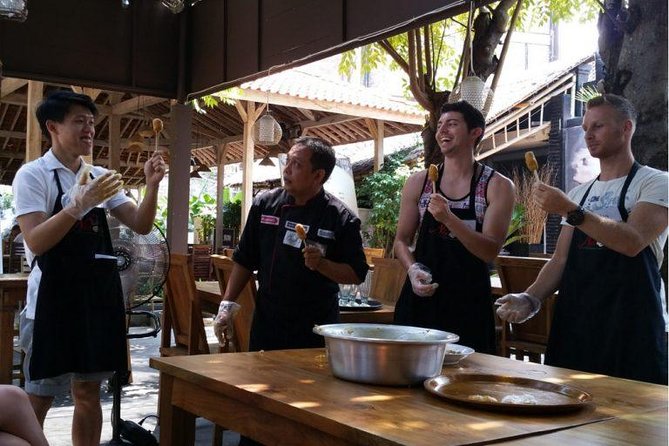
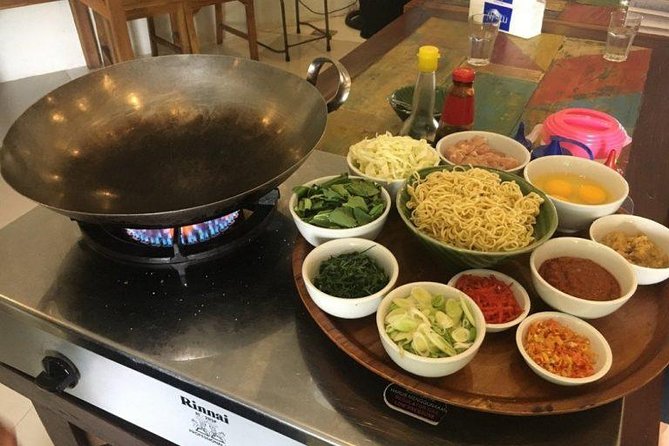
Back at Nia Cooking Class, the kitchen work begins. Spice pastes are an important part of the lesson. You work with the seafood paste, base be pasih, and the chicken paste, base be siap. These are the building blocks that give several dishes their color and flavor.
The class then moves through meat, poultry, seafood, vegetables, rice, and snacks. The menu includes ayam betutu Bali, chicken satay with peanut sauce, minced seafood satay, and minced chicken wrapped in banana leaf. You also prepare pork in sweet soy sauce, green papaya salad with chicken, and pecelan, a vegetable salad with peanut sauce.
The variety is the strongest reason to choose this activity. Many cooking classes focus on one curry, one rice dish, and perhaps a dessert. Here, you see how the same family of spices can work across different textures and cooking methods.
The class is suitable for different skill levels. You do not need advanced kitchen experience, and the instructor gets people involved in different preparation jobs. If you are an experienced cook, the cultural explanations and spice combinations may be more useful than basic knife work.
A completely different sort of day, still an easy run from the beach:
- Bali Full-Day Traditional Village Sightseeing Trip All Inclusive
★ 5.0 · 3,069 reviews - Experts Bali Driver : Best Bali Private Driver for Tour in Bali
★ 5.0 · 1,339 reviews - Bali Hai Sunset Dinner Cruise
★ 5.0 · 1,173 reviews - Private Arrival Transfer: Bali Airport to Hotel
★ 4.5 · 739 reviews
Instructors who keep a large menu moving
The instructor matters greatly in a class this busy. Tommy Ford, also referred to as Tommee Ford in the provided material, receives especially strong praise for his humor, cultural explanations, and ability to keep the group involved.
That combination is useful. A cooking teacher must explain not only what to do, but why a dish uses a particular paste, wrapping method, or sauce. Humor helps when the class is handling many recipes and the pace picks up.
The staff also receives credit for being attentive and organized. I would expect a well-run production rather than a slow, private lesson with long pauses. The kitchen needs to coordinate many dishes so that everything is ready for the final meal at roughly the right time.
There is a trade-off. A class that can handle many people and many dishes may feel less personal than a small home kitchen lesson. The information describes the activity as private for your group, while the experience can also involve a sizeable class environment. If private means your booking is limited to your own party, confirm how that works before paying, especially if group size is important to you.
The final meal is part of the lesson
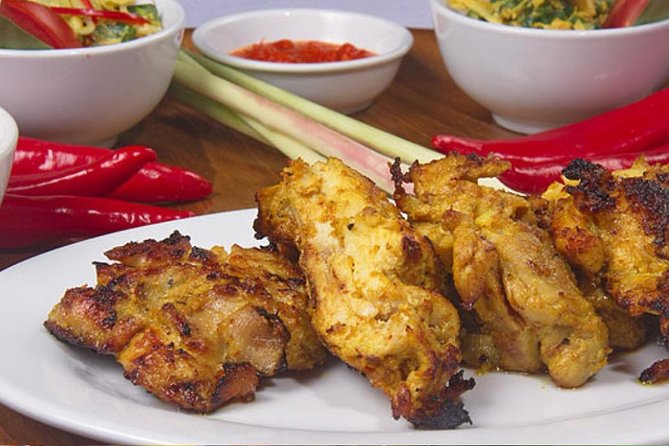
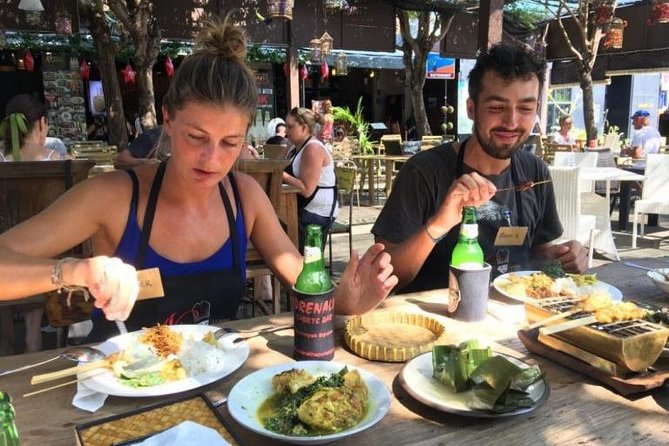
The best part for many people will be lunch. You sit down and eat what the class has prepared, including the dishes that took the most work.
This changes the feel of the activity. You are not merely watching a chef prepare food or taking home a small tasting plate. You can compare the spice pastes, salads, satay, rice, and wrapped dishes as a full Balinese meal.
The menu also gives you a useful sense of balance. Rich meats and peanut sauce sit alongside vegetables, papaya salad, rice, and a sweet corn coconut snack. You get a broader picture of Balinese cooking than a single signature dish could provide.
The dining setup may be shared with other people in the class. That can be a plus if you are traveling alone or enjoy meeting people from different countries. It can also feel less intimate if you came expecting a private family meal. The experience is social by nature, even with a private booking description.
Dietary needs and what to tell the kitchen
You should mention allergies when you book or before the class begins. This is not a detail to leave until the first chopping session, because the menu uses seafood, chicken, pork, peanuts, and several spice mixtures.
A pescatarian participant was able to enjoy the class with dishes adapted to dietary needs. That is encouraging, but it does not mean every request is automatically covered. The menu contains several animal proteins, so tell the operator exactly what you do and do not eat.
If you avoid pork, poultry, seafood, peanuts, or specific spices, ask what substitutions are available. The class may be able to adjust some dishes, but you should receive confirmation rather than assume.
For children, the class can work well if they enjoy food preparation and can manage a morning kitchen session. The supplied information notes that children enjoyed learning about Balinese food, but the activity remains a four-and-a-half-hour cooking program. Very young children may find the length and number of recipes tiring.
Is $71.50 good value?
At $71.50 per person, this is not the cheapest cooking lesson in Bali. The price becomes easier to justify when you count what is included: pickup in Seminyak, the market visit, tea or coffee, the cooking class, lunch, a cookbook, and a completion certificate.
The number of dishes is the main value point. If you cook even part of 12 recipes and later use the cookbook at home, you get more than a single meal. The market stop also adds context that a kitchen-only class would not provide.
I would compare the price with what you want from the morning. If you only want to learn one Balinese curry in a small group, this may be more food and time than you need. If you want a broad introduction to Balinese cooking, a social activity, and a substantial lunch, the cost is reasonable.
Group discounts are available, which can improve the value for families or friends. The activity had more than five bookings in the previous month, and the overall rating was 4.9 from 127 ratings, with 98 percent recommending it. Those figures suggest strong demand and satisfaction, but they do not remove the need to check class size and dietary arrangements before booking.
What to bring and how to plan the morning
Wear comfortable clothes suitable for kitchen work. The supplied information does not list a dress code or equipment list, so you should not assume that every personal preference or special need can be accommodated.
Plan to arrive ready for an early start. Pickup begins at 8 a.m. in Seminyak, and the morning includes travel to the market before the cooking begins. Keep your schedule open until about 12:30 p.m., allowing for the approximate four-hour-thirty-minute duration.
You receive a mobile ticket, which is handy if you do not want to print anything. Confirmation is issued within 48 hours, subject to availability. The voucher is valid only for the date shown, so check the date carefully before finalizing other plans.
The cancellation policy is strict. This experience is non-refundable and cannot be changed for any reason. If the minimum number of participants is not reached and the operator cancels, you are offered another date or experience, or a full refund. That protection does not apply to a change of mind on your side.
Who will enjoy Nia Bali Seminyak Cooking Class?
I would choose this class if you want a broad introduction to Balinese food rather than a specialist lesson. It suits couples, families with older children, friends, and solo visitors who like social activities.
Solo visitors may find it particularly useful because the shared meal and group preparation create easy opportunities to meet people. The activity has attracted people from Australia, the United States, South Korea, France, and other places, so the social mix can be part of the morning.
It also suits cooks who want recipes they can repeat at home. The cookbook and explanations about ingredient substitutions are practical benefits, especially if some Balinese ingredients are hard to find in your country.
I would hesitate if you dislike group cooking, have a tight schedule, or need a highly tailored private lesson. The menu is ambitious, and the pace may be brisk. You should also confirm food substitutions before booking if you have serious allergies or a strict diet.
Should you book it?
Book Nia Bali Seminyak Cooking Class if you want to spend a morning learning many dishes, seeing local ingredients at a market, and eating a large lunch at the end. The combination of 12 menu items, an early market visit, strong instruction from Tommy Ford or Tommee Ford, and a take-home cookbook gives the experience real substance.
Skip it if you want a slow, intimate lesson focused on just one or two recipes. Also think twice if the no-refund policy makes you uneasy or if you cannot commit to the 8 a.m. start.
For most visitors staying in Seminyak, this is a useful way to connect food with place. You leave with a full stomach, a set of recipes, and a clearer idea of how Balinese spice pastes shape an entire meal.
FAQ
Where does the cooking class start?
It starts at Warung Nia Balinese Food & Pork Ribs, Jalan Kayu Aya No. 19-21, Seminyak, Kec. Kuta Utara, Kabupaten Badung, Bali 80361, Indonesia.
What time does the activity begin?
The start time is 8:00 a.m. Pickup begins at 8 a.m. in the Seminyak area.
Is pickup and drop-off included?
Pickup is offered in the Seminyak area, but there is no drop-off service. The activity ends back at the meeting point.
How many dishes will I learn to cook?
The class teaches up to 12 Balinese dishes, including spice pastes, satay, salads, rice, meat, seafood, and a sweet corn coconut snack.
Is lunch included?
Yes. Lunch is included, along with coffee or tea. You eat the food prepared during the class.
What do I take home?
You receive a cookbook and a completion certificate. Mobile tickets are also available for the booking.
More Workshops in Bali
- Canggu: Surfing lesson with ISA certified instructor
★ 5.0 · 102 reviews - The funniest private 2 hour surf lesson, Canggu
★ 5.0 · 70 reviews - Kuta Seminyak Scooter Lessons
★ 5.0 · 40 reviews - Bali Seminyak Silver Class Activity and Take Your Own Creation
★ 5.0 · 37 reviews
Newest Bali write-ups
- Best of North Bali: Banyumala Waterfall, Handara Gate and Temple★ 5.0 · 4 reviews
- Surf lesson | Energy surfschool krui★ 5.0 · 3 reviews
- West Nusa Penida Island Snorkeling Tour – From Bali Island★ 4.0 · 5 reviews
- Uluwatu tour & Balinese kecak dance★ 5.0 · 3 reviews
- Sharing Mount Batur Sunrise Trekking And Natural Hot Spring★ 5.0 · 11 reviews
- Bali Parasailing Adventure, Jet Ski, Banana Boat , Donat Boat, with Transport★ 5.0 · 11 reviews
- Uluwatu Temple & Kecak Fire Dance Show (Include All Tickets)★ 4.5 · 5 reviews
- Bali’s Spiritual Pillars – Uluwatu Temple and Kecak Dance Tour★ 5.0 · 6 reviews
Balinese Cooking Classes, compared.
Cooking class in the comfort of your own personal villa. Yes, I’ll come to you!
Read our review →
Balinese Cooking Class & Tanah Lot Temple Visit – Private & All-Inclusive
Read our review →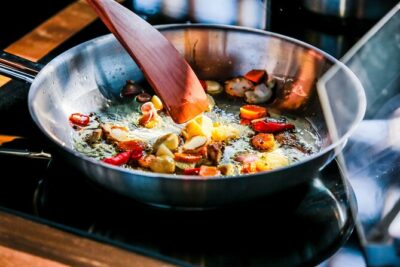
Balinese Cooking Class at The Santai Umalas Kerobokan
Read our review →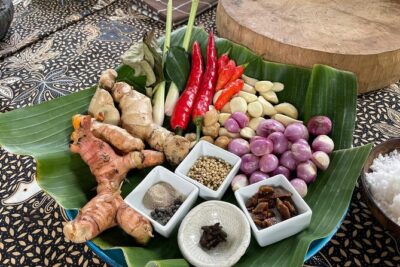
Traditional Tempeh Making & Cooking Balinese Cuisine
Read our review →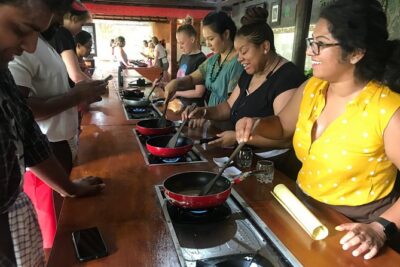
Bali Cooking Class Experience with All Inclusive
Read our review →
Private Javanese Cooking Class with Dotty in Tumbak Bayuh, Canggu
Read our review →Browse the lists this tour appears in